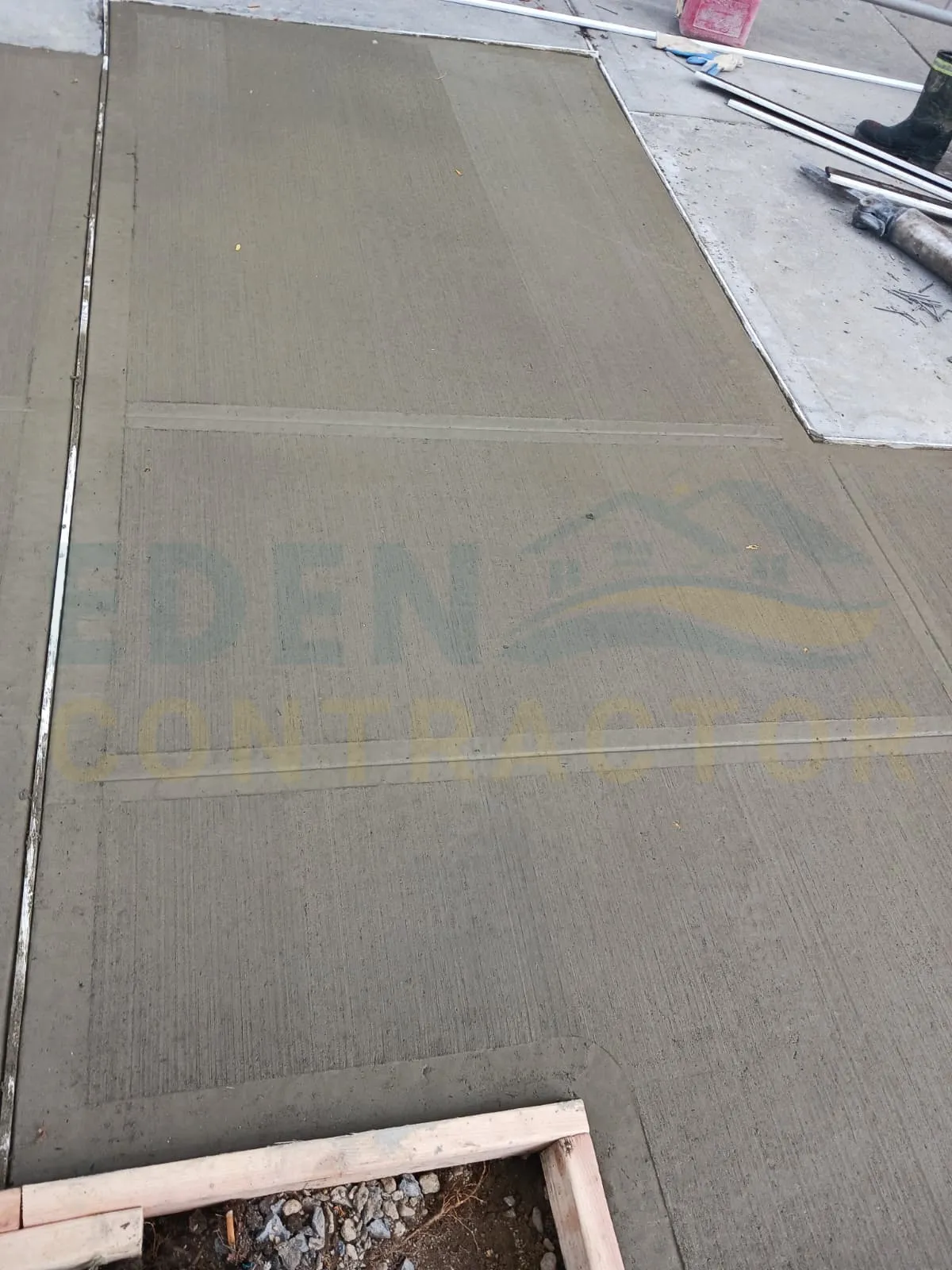
310 Lenox Avenue sits on one of Harlem's busiest commercial blocks, with a popular restaurant and a bank branch drawing customers to the frontage all day. Roots from a City street tree had lifted the sidewalk slabs unevenly, creating trip hazards right where customers walk in and out. For a commercial owner, that is both a safety problem and a liability, so the sidewalk had to be fixed properly and quickly.
Project Overview
| Project detail | Information |
|---|---|
| Property type | Commercial |
| Location | 310 Lenox Avenue, New York, NY 10027 |
| Neighborhood | Harlem, Manhattan |
| Area replaced | 17 flags, approximately 425 sq ft |
| Cause of damage | Roots of a City street tree lifting the slabs |
| Permit fees | $140 |
| Concrete | 4,000 PSI ready-mix concrete, broom finish |
| Time on site | 2 days, once permits were issued |
Replacing 17 Flags Around a Street Tree
The damage covered 17 flags, more than 400 sq ft of sidewalk, all lifted unevenly by the tree's roots. Pouring new concrete over the same conditions would only have bought time before the roots lifted it again, so the repair had to deal with what was under the slabs.
The City no longer permits root slicing or root pruning of City trees, so the new sidewalk had to be built around the roots rather than through them. A professional arborist advised on the work near the tree, and we installed a root barrier to guide future root growth away from the new concrete. The flags were then rebuilt in 4,000 PSI concrete with a clean broom finish.
Why the City did not fix it: NYC Parks repairs some tree root damage for free, but only for owner-occupied one to three family homes. Commercial properties are not eligible, so the repair was the owner's responsibility. See who qualifies for free tree root sidewalk repair.
Permits and DOT Compliance
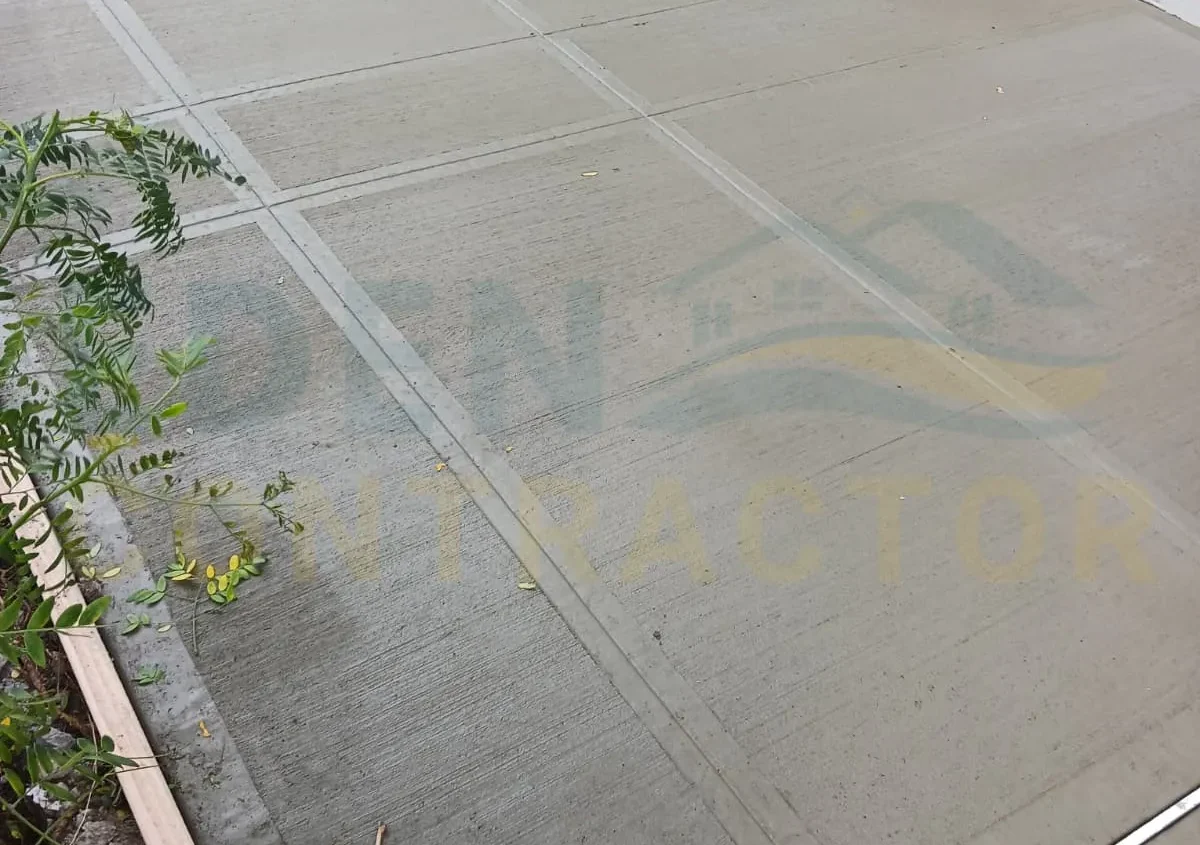
The work was done under a DOT sidewalk construction permit, so it met NYC standards from the start. Along with the permit, we built in the details that keep a commercial sidewalk from failing again:
- Expansion joints to absorb ground and temperature movement and prevent new cracking
- Correct slope so the sidewalk drains toward the curb and stays accessible for wheelchairs, strollers, and delivery carts
- Compacted, leveled base so the new flags stay flat under heavy daily use
Our guide to NYC DOT sidewalk repair standards covers each requirement in detail.
Keeping a Busy Commercial Block Open
On Lenox Avenue, shutting down the sidewalk was not an option. The neighboring businesses needed their entrances open and customers needed a safe way past the work.
We staged the job with barricades and clear signage to keep pedestrians moving, started demolition at the beginning of the workday, and poured concrete outside peak hours. Both businesses stayed open throughout the job.
How the Work Was Done
Secured the DOT permit
Filed and received the sidewalk construction permit before any demolition.
Staged the work zone
Set barricades and signage to keep customers and pedestrians moving safely.
Removed the damaged flags
Demolished and cleared 17 lifted flags, about 425 sq ft.
Protected the tree
Worked around the roots with an arborist's guidance and installed a root barrier.
Rebuilt the base
Compacted and leveled the subbase for long-term stability.
Poured new concrete
Placed 4,000 PSI concrete with expansion joints, correct slope, and a broom finish.
Project Photos
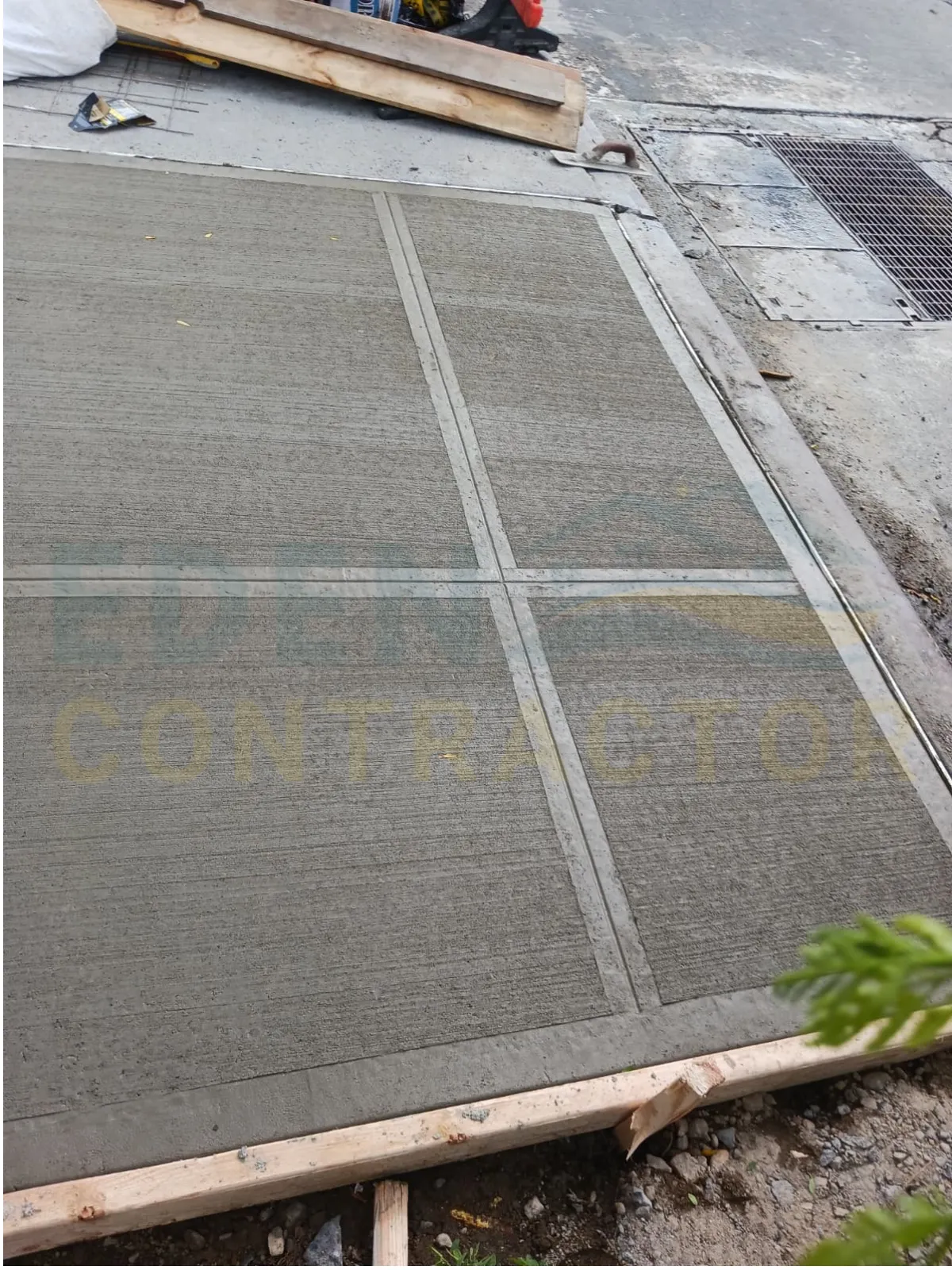
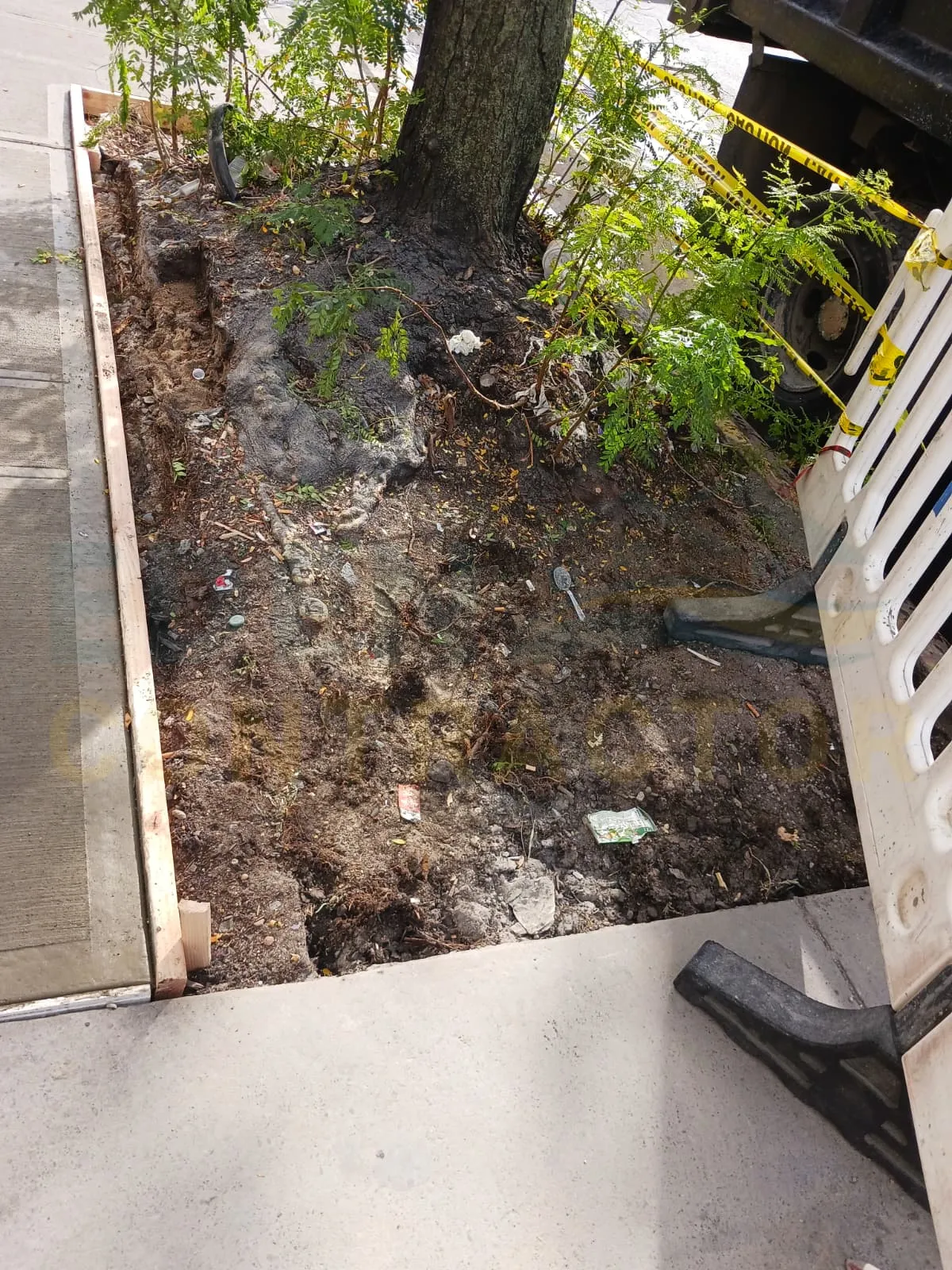
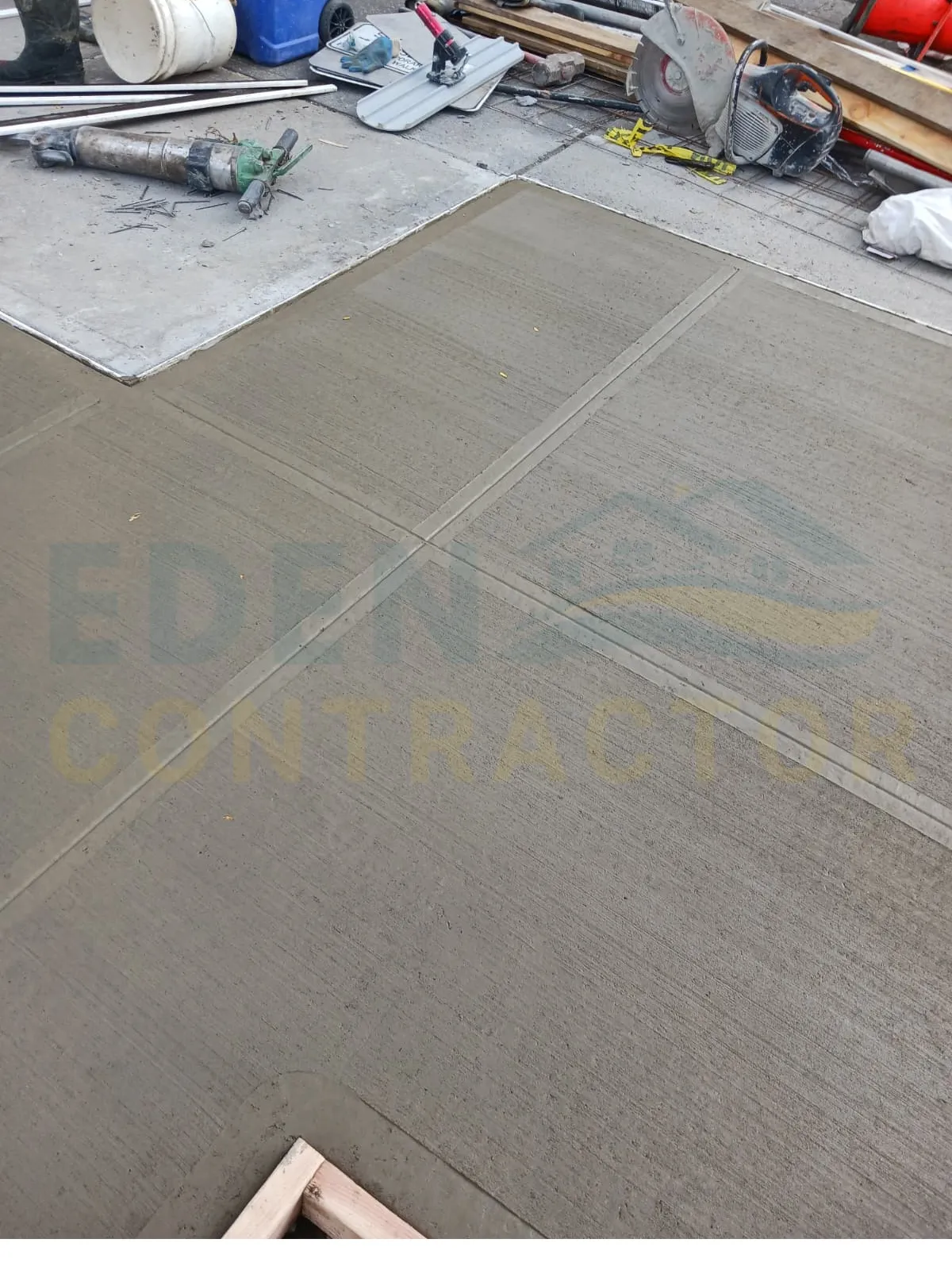
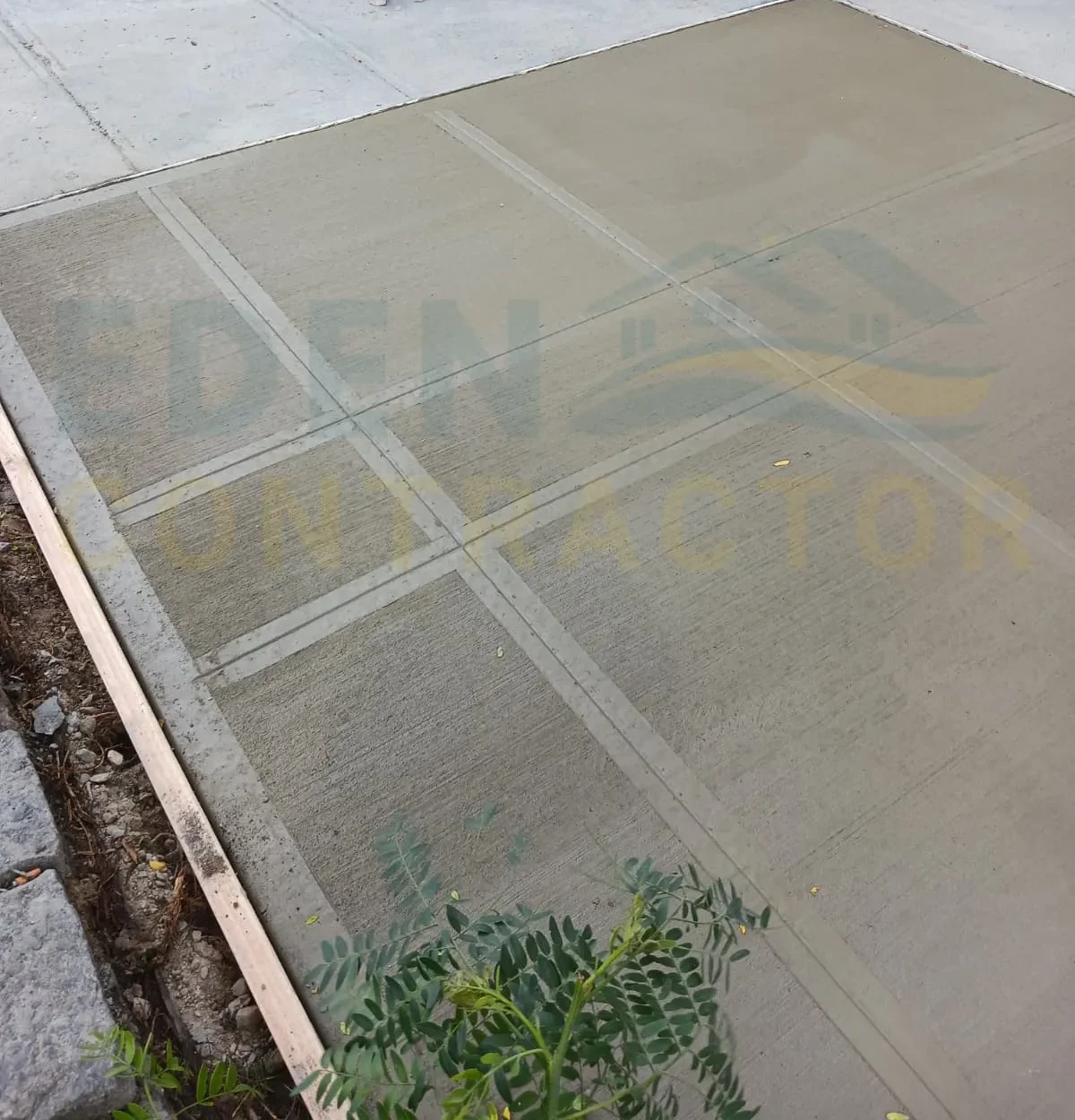
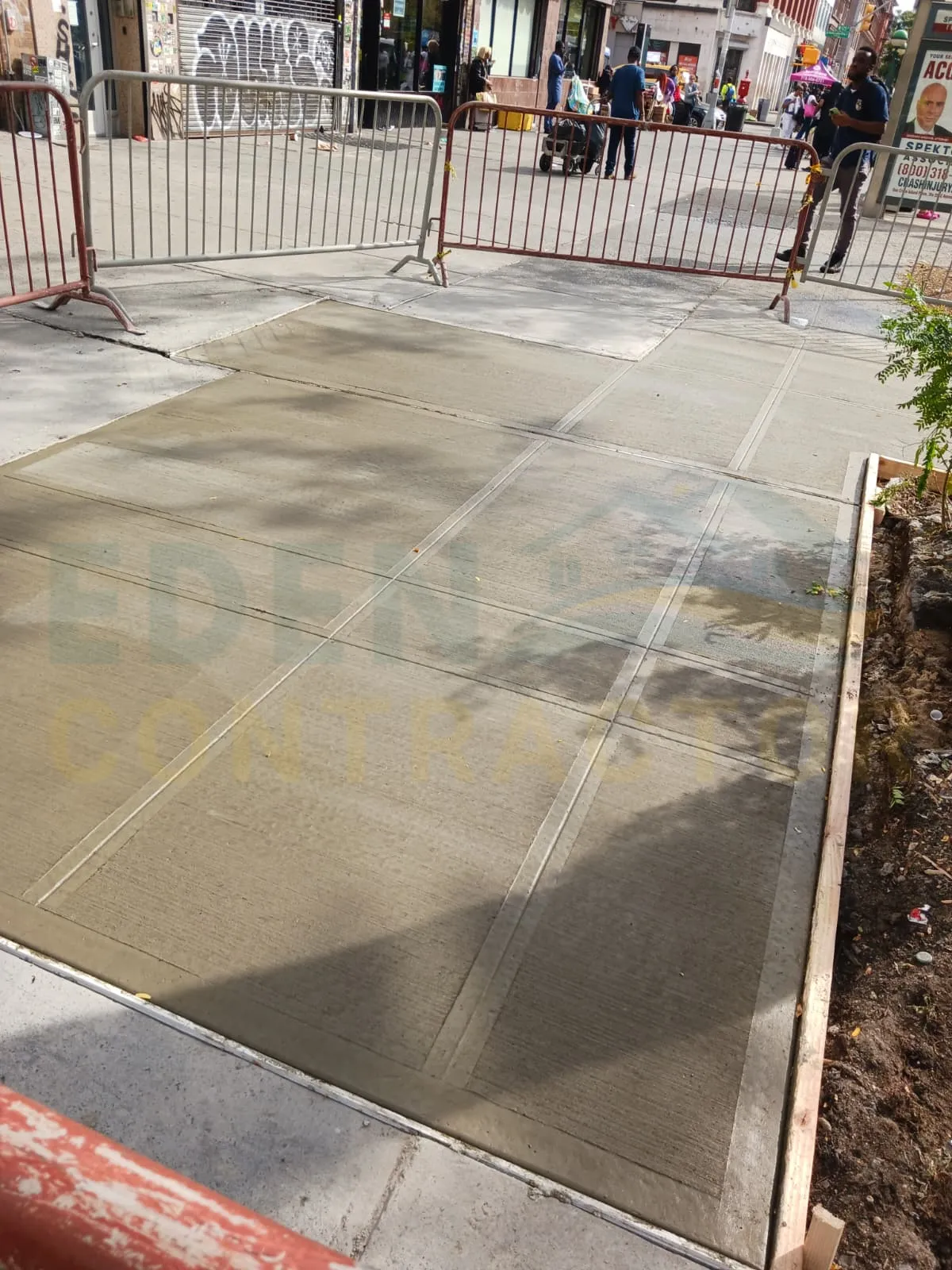
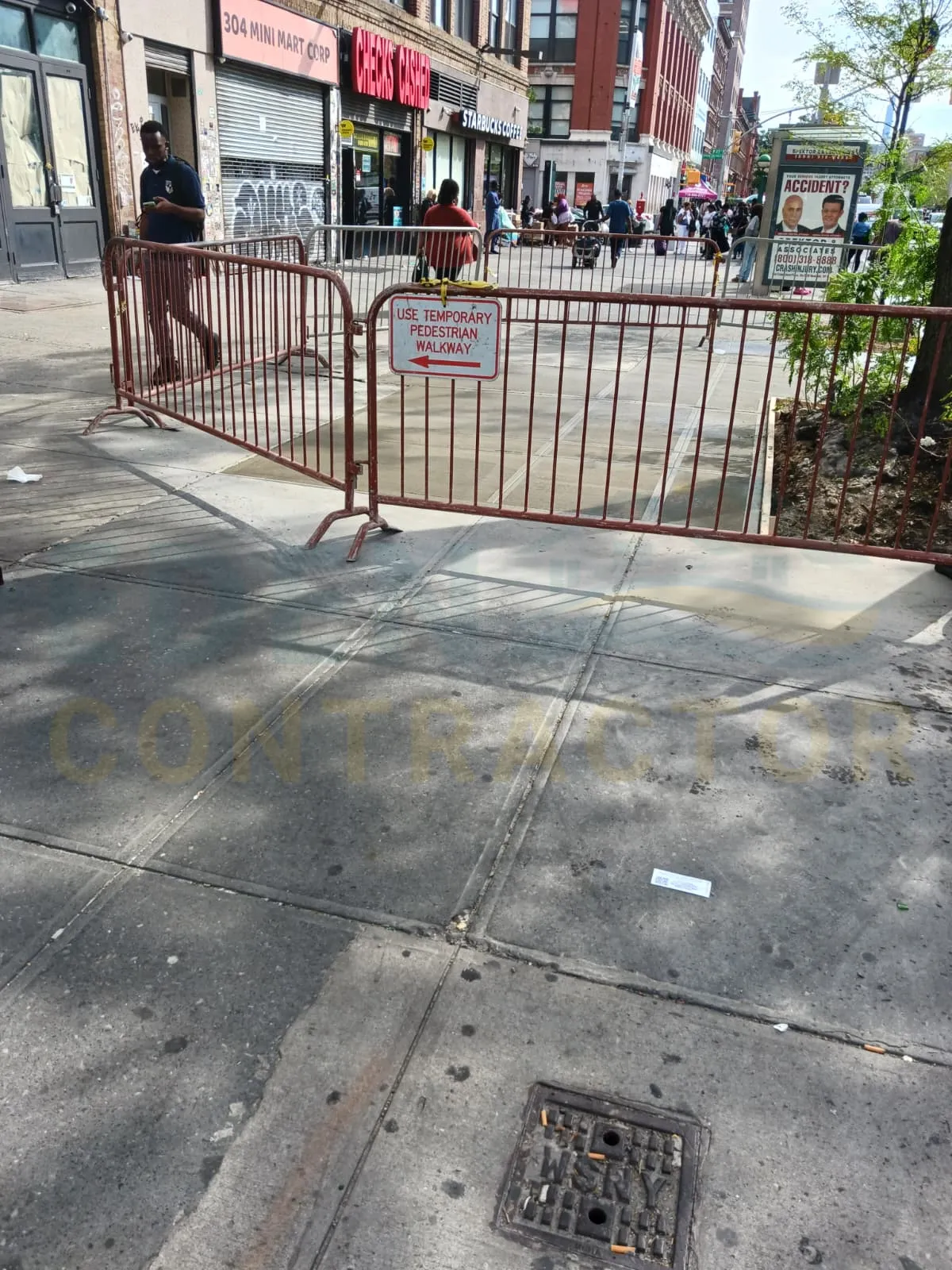
Replacing 17 root-damaged flags on a busy Harlem commercial block in two days, without harming the street tree or closing the businesses on the frontage.
The Result
The frontage at 310 Lenox Avenue now has a safe, level sidewalk where customers had been stepping around lifted slabs. The root barrier gives the new concrete a much better chance of staying flat, and the property owner no longer faces the risk of a DOT sidewalk violation or the injury liability that comes with a trip hazard on a commercial block.